Blog
Get rid of mould
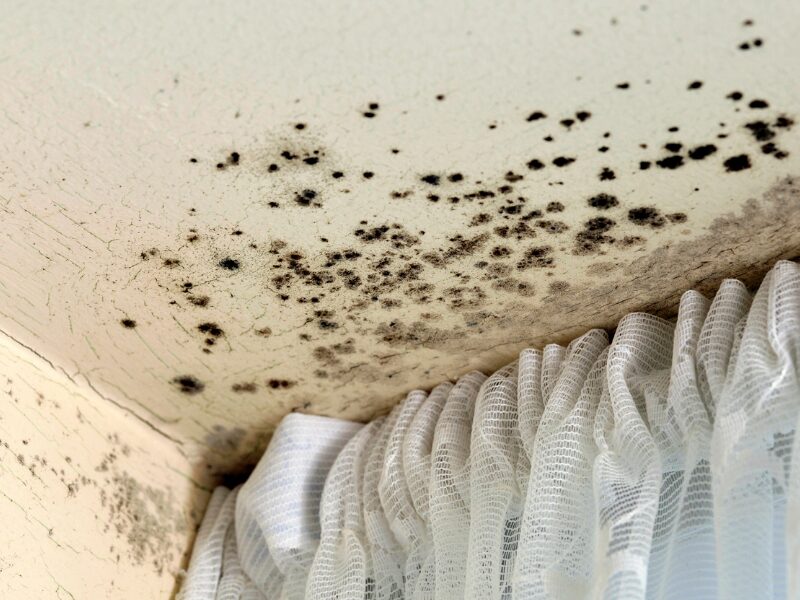
Dark spots on the walls and ceiling, a smell you cannot place — why is mould worth taking seriously?
It grows wherever there is moisture: roofs, windows, walls. It likes paper, GIB, ceilings and timber jambs and sills, and it will just as happily live in dust, paint, wallpaper, insulation, carpet, curtains, clothes, mattresses and upholstery — or on hard surfaces like shower screens, glass, tiles and plastic curtains.
Where does it come from?
Moisture. From cooking, especially on gas; from our own bodies; and from condensation, where warm inside air meets a cold surface.
How does it affect us?
- In quantity, black mould spores are a health hazard — allergic reactions and respiratory problems.
- Some moulds produce mycotoxins, which carry serious risks for people and animals. High exposure has been linked to neurological problems and, in some cases, death; daily exposure over a long period is the most harmful.
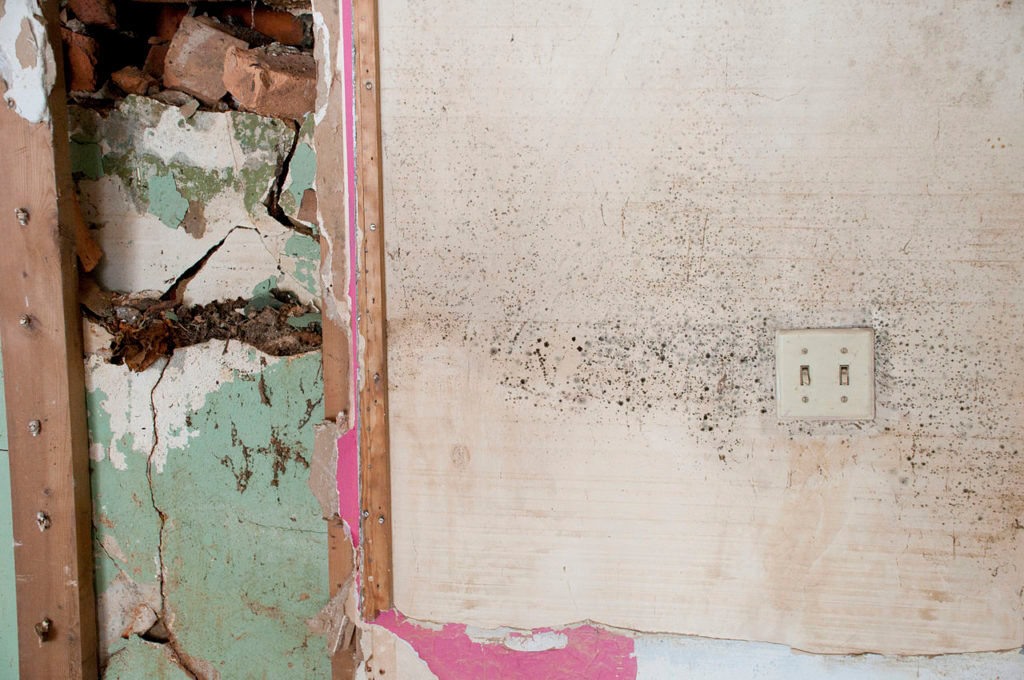
- Mould you cannot see spreads behind wall linings, framing and cladding.
- Stains, smells and swelling.
- Trapped moisture rots timber, sags insulation and swells GIB — all expensive to put right.
- Wet, sagging insulation stops insulating, so the house costs more to heat.
Keeping it from growing
- Keep humidity down with a dehumidifier.
- Fix leaking roofs, windows and pipes.
- Clean and dry thoroughly after any flooding.
- Extract mechanically from the shower, laundry and kitchen.
- Air out bedrooms and living rooms by opening the windows.
- Replace single glazing with double glazing at the highest R value you can.
- Replace plain aluminium windows with uPVC or timber, or use thermally broken aluminium.
- Deal with a colony before it spreads.
- Once the material itself starts breaking down, replacing it is the only real fix.
Getting rid of it
- Kill the mould you can see and the area around it, with something like Selleys Rapid Mould Killer, 30 Seconds Mould Off or Exit Mould.
- Spray it on generously.
- Scrub, then wash the residue off.
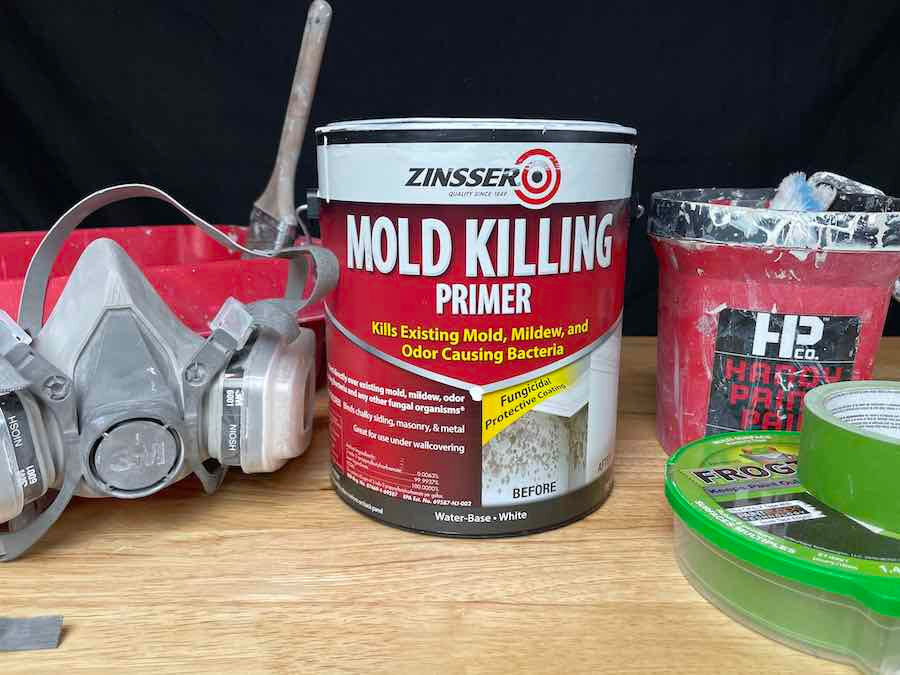
- On badly affected walls, ceilings and sills, follow up with a mould-stop primer.
- Repaint with a mould and mildew resistant paint.
- Wash the curtains.
- Spray carpet and mattresses with a suitable mould killer.
Never mix bleach with ammonia or other household cleaners — the fumes are toxic. Wear a mask and cover up when you are handling mould.
Do it yourself, or get someone in to do it for you.