Exterior & maintenance

Timber rot

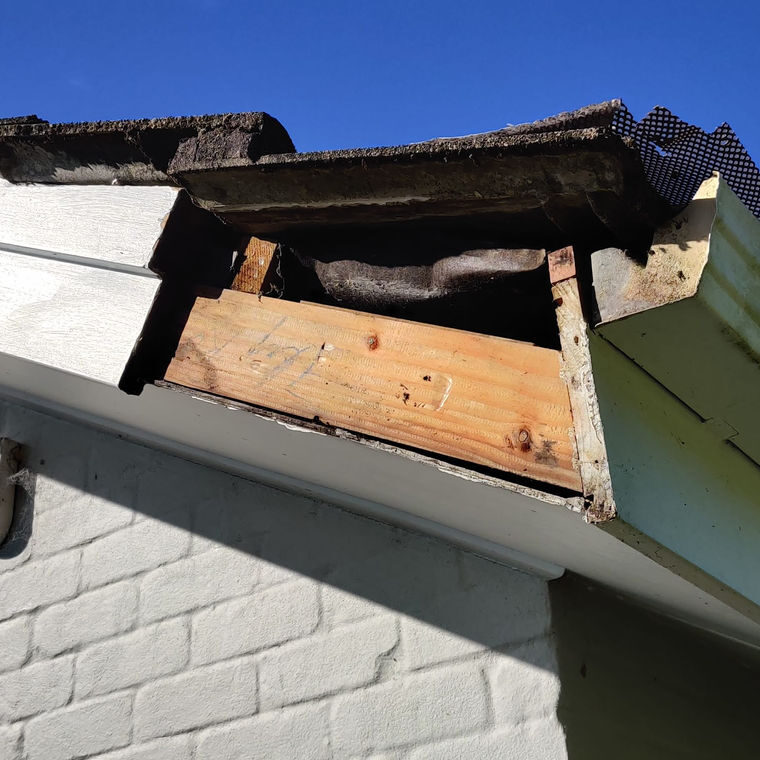
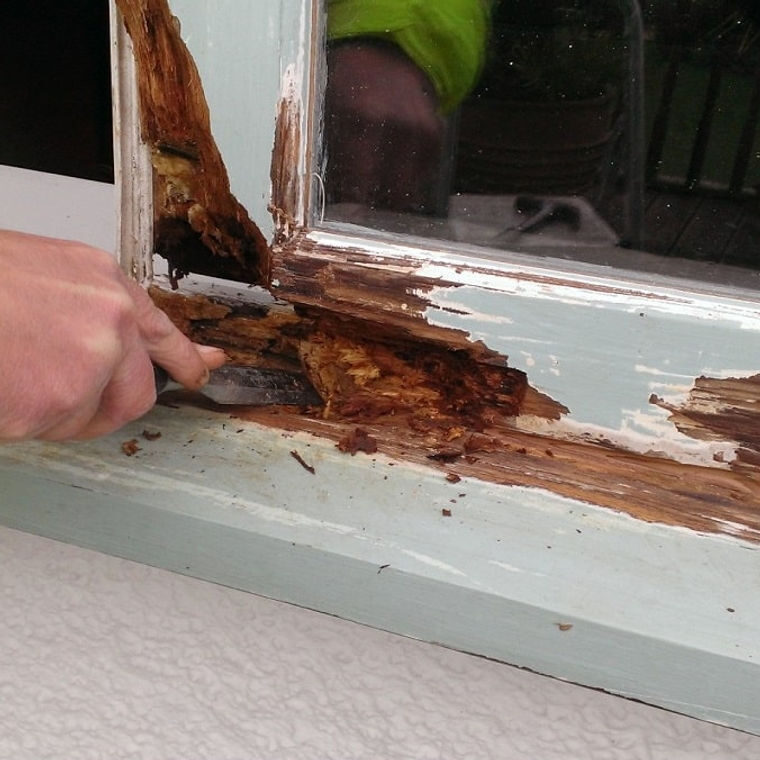
Timber rot is decay caused by fungi and moisture leaking through cracks in old or worn paint. It deteriorates at an alarming rate, can lead to serious structural damage and costly repairs, and reduces the value of your property.

What we do about it

Cut out, seal, replace

The number one rule in preventing wood from rotting is to control moisture — regular cleaning and repainting every 6 to 8 years.

  • Cutting out affected timber.
  • Sealing the unaffected timber.
  • Replacing any affected timber with new treated timber.
  • Filling small holes with flexible epoxy.
  • Replacing putty or glazing beads.

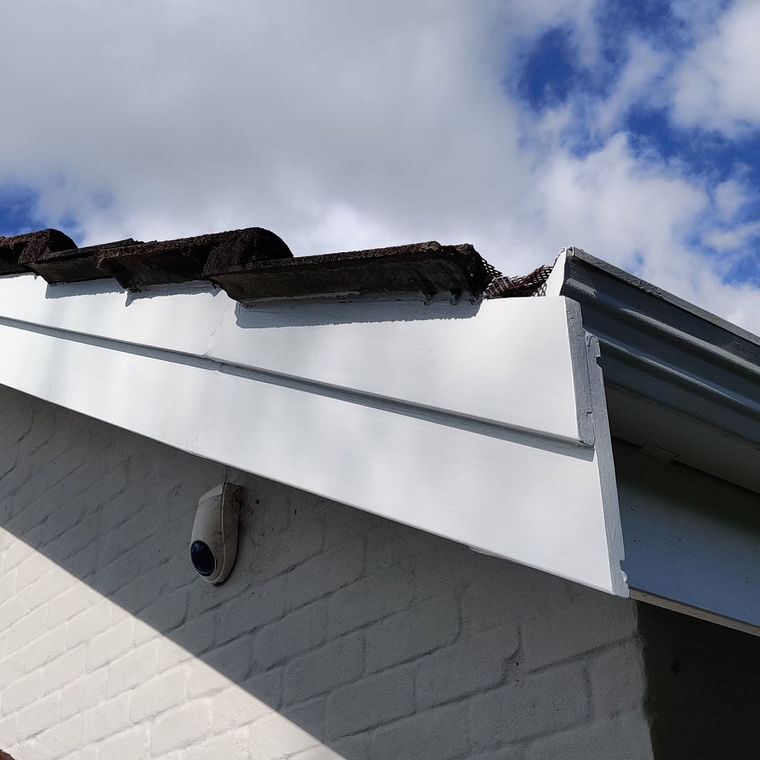
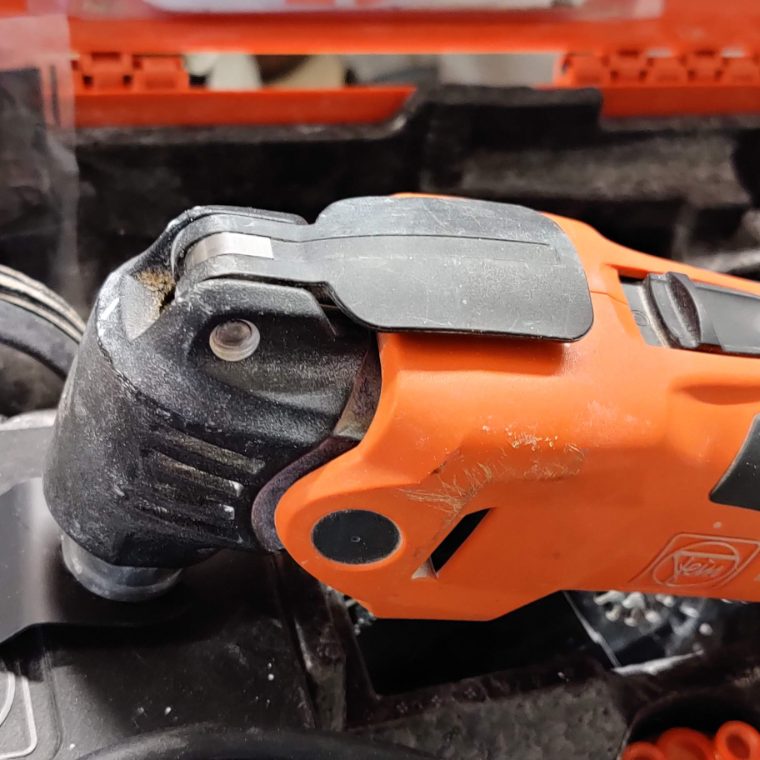
We repair claddings, sashes, sills, doors, barge boards, soffits and fascias, and structural damage to walls, floors and roofs.
Five signs it’s time to repaint

Don’t delay

  • Chalking — paint transforming to a powder.
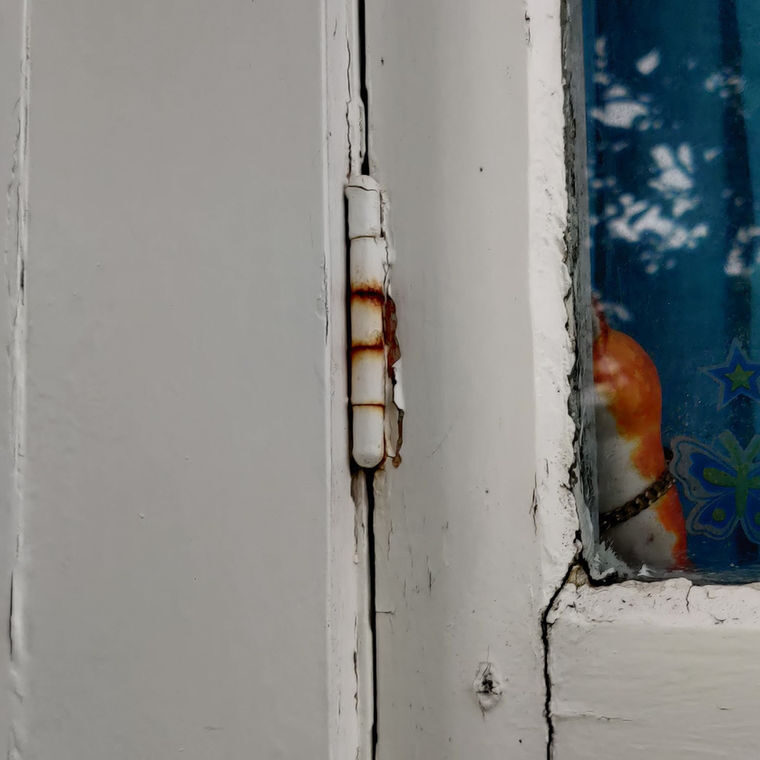
  • Flaking or cracks — paint coming loose from the timber underneath, curling or breaking into pieces.
  • Water absorption — water sprayed on the paint doesn’t repel or flow straight downwards.
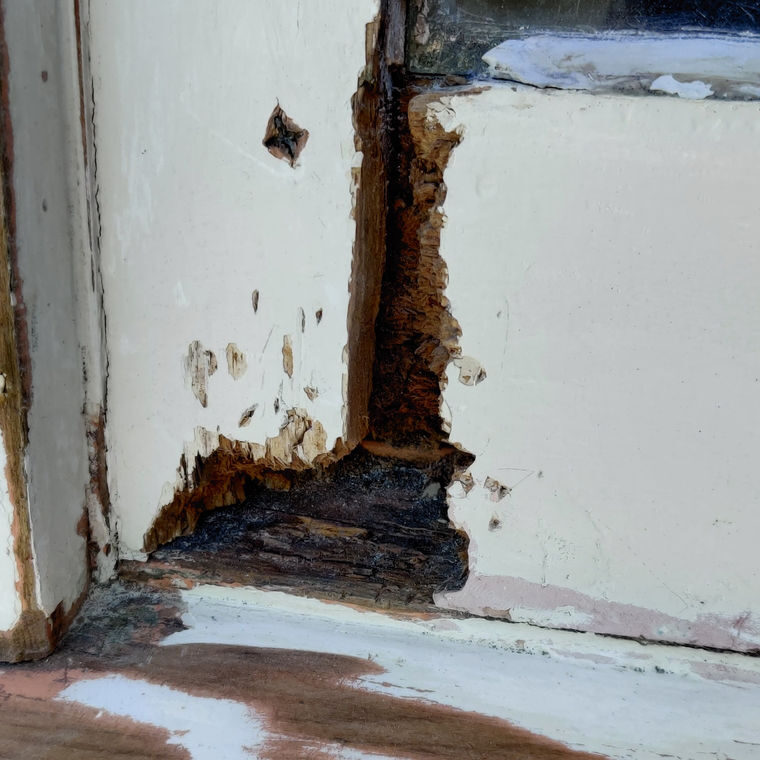
  • Structural damage — rotting timber damaging the windows or underlying structure.
  • Soft spots under the painted exterior.
  • Fading — paint losing its original colour through degradation.

A house that has not been painted for 10–15 years and is in bad condition will have to be repainted every 3 to 4 years to keep the timber from deteriorating further.

Found soft timber?

Get it looked at before it spreads. Call or text 020-41505011 for a free assessment.